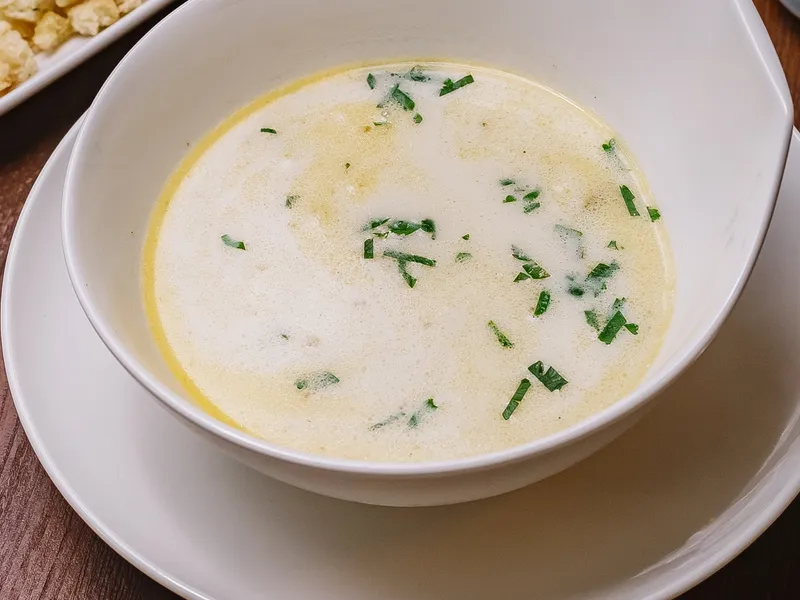
Chicken alfredo with a creamy homemade sauce
Seared chicken and fettuccine in a silky butter, cream and Parmesan sauce, ready in 40 minutes, with tips to keep the sauce smooth.
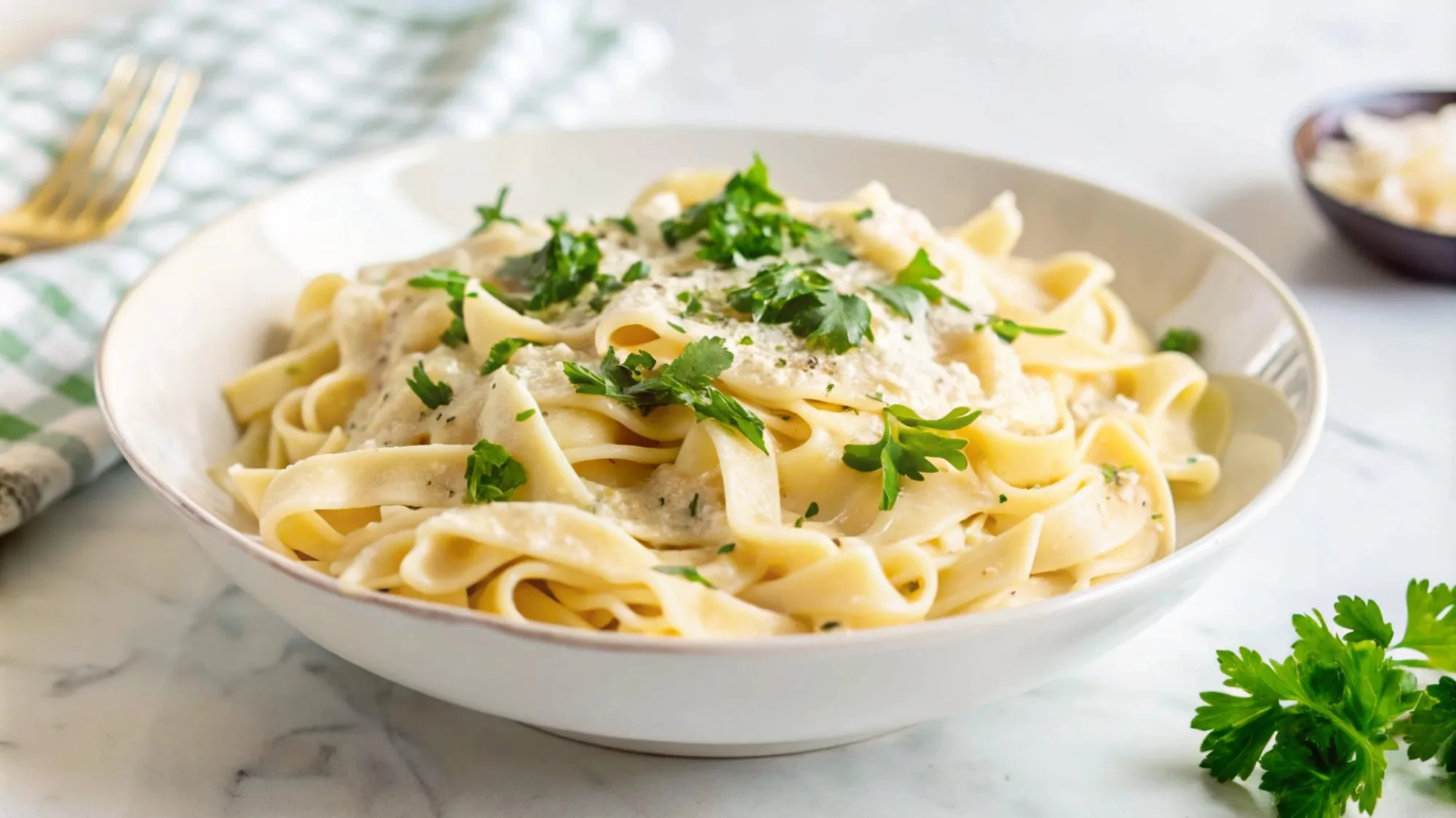
Chicken alfredo is fettuccine tossed in a rich sauce of butter, cream and Parmesan, served with sliced seared chicken. It is an Italian-American dish: the pasta-and-butter-and-cheese idea comes from Italy, and adding chicken and cream made it a standard American dinner. This version uses a handful of ingredients, one skillet for the chicken and sauce, and about 40 minutes from start to finish.
Key takeaways
- Use a block of Parmesan and grate it finely. It melts smoothly into the cream without clumping.
- Cook the chicken to 165°F, then rest it for 5 minutes before slicing.
- Keep the sauce at a gentle simmer, and take the heat down to low before the cheese goes in.
- Save a cup of pasta water. The starch in it thins the sauce and helps it cling to the noodles.
Why this recipe works
The sauce has only three main parts: butter, cream and Parmesan. Simmering the cream for a few minutes reduces it slightly, so it coats the pasta instead of pooling in the bowl. Parmesan then thickens it further and adds salt and savory flavor. Because the cheese does so much of the seasoning, the sauce needs very little salt of its own.
The quantities follow the pattern of most classic chicken alfredo recipes: about 1 pound of pasta, 1 to 1 1/2 pounds of chicken breast, 1 1/2 to 2 cups of heavy cream and a generous cup or more of Parmesan. Cooking the sauce in the pan used for the chicken picks up the browned bits left behind, which adds flavor without extra work.
Ingredient notes
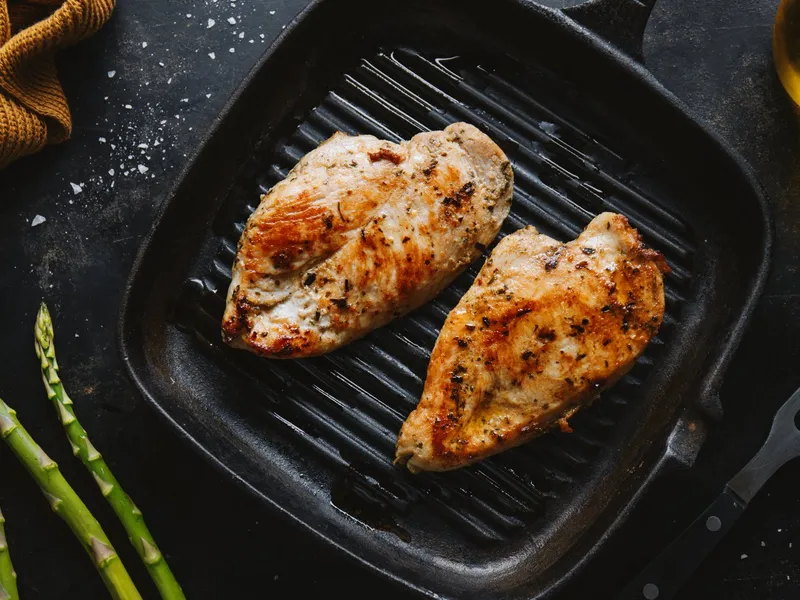
Chicken. Boneless, skinless breasts cook quickly and slice neatly. Slicing them in half horizontally gives you thin cutlets that brown in a few minutes and cook through before the outside dries out. Boneless thighs also work (see variations).
Fettuccine. The wide, flat ribbons hold a lot of sauce. Linguine, tagliatelle or penne work too.
Heavy cream. Heavy cream (at least 36% fat) gives the sauce body and is far less likely to curdle than lighter dairy. Half-and-half makes a thinner sauce.
Parmesan. Buy a wedge and grate it on the small holes of a box grater or a rasp-style grater. Pre-grated cheese often contains anti-caking powder, which can leave the sauce slightly grainy. Use about 1 1/2 cups of finely grated cheese, or a little less if you like a lighter sauce.
Pasta water. The cooking water is salty and starchy. Scoop it out before you drain, because you can’t get it back afterward.
Tips for a smooth sauce
- Grate the cheese finely and add it gradually. A handful at a time, stirring until smooth, keeps the sauce from clumping.
- Lower the heat before adding the cheese. A rolling boil can make cream sauces separate or turn grainy after the cheese goes in. Small bubbles around the edge of the pan are enough.
- Fix a sauce that looks oily. Take the pan off the heat and stir in a splash of warm pasta water until it comes back together.
- Thin the sauce a little at a time. Alfredo thickens quickly as it sits, so aim for a sauce that is slightly looser than you want, then serve it right away.
- Check the chicken with a thermometer. Color alone isn’t a reliable test. The thickest part of each piece should read 165°F, which is the USDA safe minimum for poultry.
- Start the pasta water first. A pot of water takes the longest to boil. Timing the pasta to finish while the cream simmers means everything is ready at once.
Variations and substitutions
Chicken thighs. Use boneless, skinless thighs in place of the breasts. They stay tender and take a few extra minutes. Cook them until the thickest part reaches 165°F.
Poached or leftover chicken. If you’d rather skip the skillet step, add sliced or shredded cooked chicken at the end and warm it through in the sauce. Our guide to how long to boil chicken breast covers poaching.
Broccoli. Add 2 cups of small broccoli florets to the pasta water for the last 3 to 4 minutes of cooking and drain them with the pasta.
Mushrooms or spinach. Cook sliced mushrooms in the skillet before the garlic, or stir a few handfuls of baby spinach into the sauce until wilted. Cook any vegetable that releases liquid separately first so it doesn’t thin the sauce.
Lighter sauce. Replace up to half of the heavy cream with half-and-half. The sauce will be thinner and less rich, so add the Parmesan slowly and use less pasta water.
Spicier. Add 1/4 teaspoon of red pepper flakes with the garlic.
Storing, freezing and reheating
Refrigerate. Put leftovers into a covered container within 2 hours of cooking and keep them in the refrigerator for 3 to 4 days, in line with USDA guidance for leftovers. The sauce firms up as it chills, which is normal.
Freeze. Portion the pasta and chicken into airtight, freezer-safe containers and freeze for up to 2 months for best quality. Cream sauces can separate a little after thawing. Thaw in the refrigerator before reheating.
Reheat. Warm a portion in a covered skillet over low heat with a tablespoon or two of milk, cream or water per serving, stirring often. In the microwave, use a covered, microwave-safe dish, stir every 30 seconds and add a splash of liquid if it looks thick. Reheat leftovers until they reach 165°F, as measured with a food thermometer, and check in more than one spot.
Frequently asked questions
What is chicken alfredo made of?
Chicken, fettuccine, butter, heavy cream and Parmesan, seasoned with garlic, salt and pepper. Parsley is a common garnish.
How do I keep alfredo sauce from getting grainy?
Grate the Parmesan finely from a block, keep the heat low and add the cheese a little at a time. Avoid boiling the sauce once the cheese is in. If it starts to separate, stir in a splash of warm pasta water off the heat.
Why is my alfredo sauce too thin?
It may not have simmered long enough before the cheese went in, or it needs more Parmesan. Simmer the cream for another minute or two, or stir in a little more cheese. If it is too thick instead, add pasta water a tablespoon at a time.
Can I make chicken alfredo ahead of time?
You can cook and slice the chicken and grate the cheese a day ahead and keep them refrigerated. The sauce is best made just before serving, because it thickens as it cools.
Can I use jarred alfredo sauce instead?
Yes, for a faster dinner. Warm the sauce gently, toss it with the cooked pasta and chicken, and loosen it with pasta water if needed. The homemade version takes only about 10 minutes at the stove.
Is chicken alfredo an Italian dish?
It is Italian-American. Fettuccine tossed with butter and cheese has Italian roots, while the version with cream and chicken became popular in the United States.
Recipe
Chicken alfredo with a creamy homemade sauce
- Prep
- 15 min
- Cook
- 25 min
- Total
- 40 min
- Makes
- 4 to 6 servings
Ingredients
For the chicken
- 1 1/2 pounds (680 g) boneless, skinless chicken breasts, sliced in half horizontally into thin cutlets
- 1 teaspoon kosher salt
- 1/2 teaspoon black pepper
- 1 teaspoon Italian seasoning
- 1 tablespoon olive oil
For the pasta
- 1 pound (454 g) dried fettuccine
- 1 tablespoon kosher salt, for the cooking water
For the sauce
- 4 tablespoons (56 g) unsalted butter
- 3 garlic cloves, finely minced
- 2 cups (480 ml) heavy cream
- 1/2 teaspoon kosher salt, or to taste
- 1/4 teaspoon black pepper
- 1 1/2 cups (about 4 ounces / 115 g) finely grated Parmesan, plus more for serving
- 1/2 cup (120 ml) reserved pasta cooking water, plus more as needed
- 2 tablespoons chopped fresh parsley, for serving (optional)
Method
- 1 Bring a large pot of water to a boil and stir in 1 tablespoon of salt. Keep it at a gentle boil while you cook the chicken.
- 2 Pat the chicken dry. Season both sides with 1 teaspoon salt, the pepper and the Italian seasoning.
- 3 Heat the olive oil in a large, deep skillet over medium-high heat until it shimmers. Add the chicken in a single layer and cook for 3 to 4 minutes per side, until golden and an instant-read thermometer in the thickest part reads 165°F (74°C). Transfer to a plate and rest for 5 minutes, then slice into strips.
- 4 Add the fettuccine to the boiling water and cook for 9 to 11 minutes, or according to the package, until tender with a slight bite. Scoop out about 1 cup of the pasta water, then drain the pasta.
- 5 Meanwhile, reduce the skillet heat to medium-low. Melt the butter in the same pan, scraping up any browned bits. Add the garlic and stir for about 30 seconds, until fragrant but not browned.
- 6 Pour in the cream and add 1/2 teaspoon salt and the pepper. Bring to a gentle simmer and cook for 4 to 5 minutes, stirring now and then, until the sauce is slightly thickened and coats the back of a spoon.
- 7 Turn the heat to low. Add the Parmesan a handful at a time, stirring until each addition melts before adding the next.
- 8 Add the drained fettuccine and toss to coat. Stir in the pasta water 2 to 3 tablespoons at a time, until the sauce is glossy and clings to the noodles.
- 9 Divide the pasta among bowls, top with the sliced chicken, parsley and a little more Parmesan, and serve right away.
Notes
- The chicken and pasta cook while the sauce comes together, so the 25 minutes of cooking overlap.
- Slice thick chicken breasts in half horizontally, or pound them to an even thickness, so the pieces cook at the same rate.
- Refrigerate leftovers within 2 hours in a covered container. They keep 3 to 4 days. Reheat to 165°F.
- Freeze for up to 2 months for best quality. The sauce may separate slightly after thawing; stir it as it warms.