How to cook rice on the stove: white, brown and jasmine
Cook fluffy rice on the stove with a covered pot and low heat. Water ratios, simmer and rest times for white, jasmine, basmati, brown and parboiled rice.
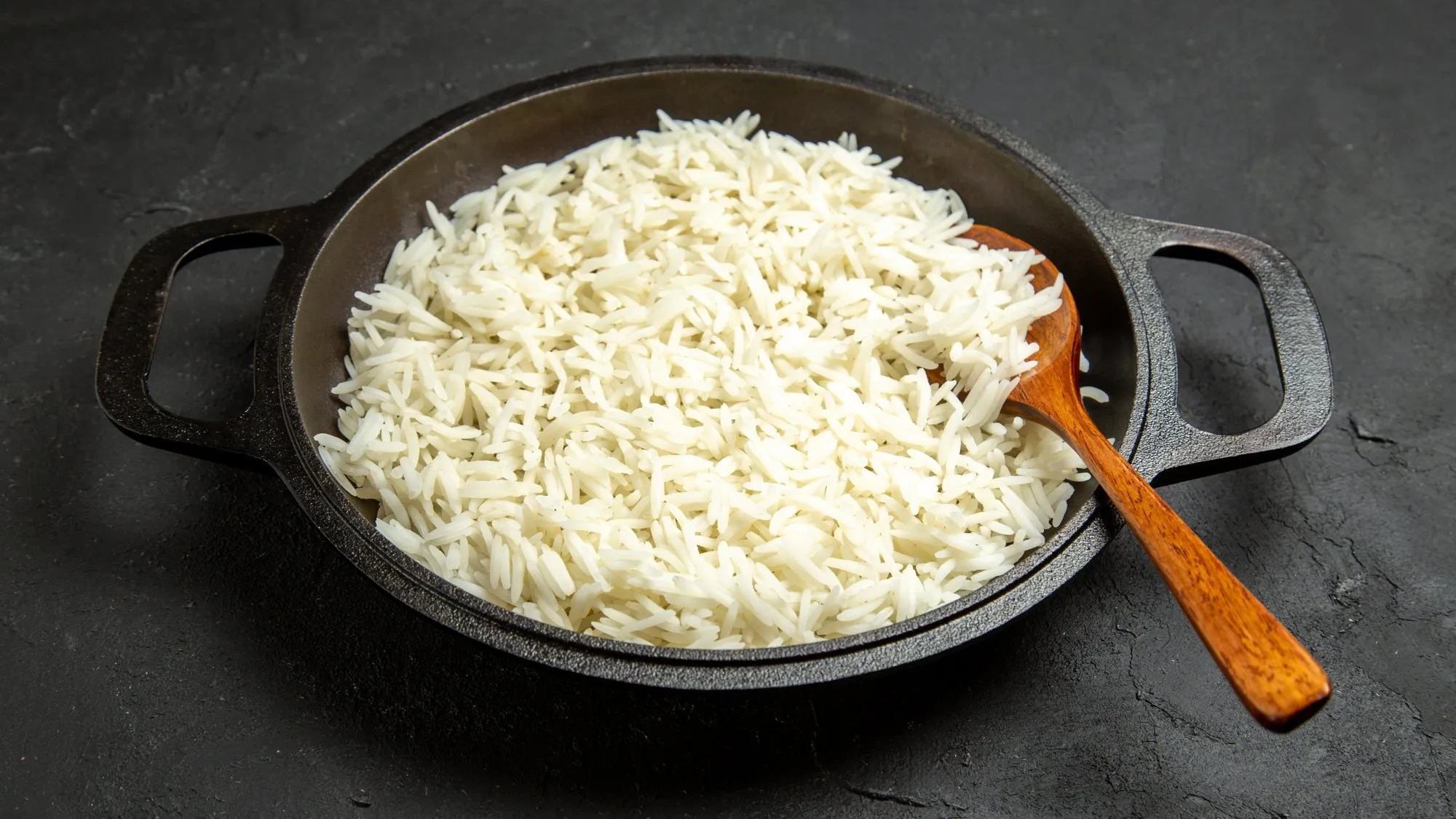
For fluffy stovetop rice, bring the rice and water to a boil, cover the pot, turn the heat to low and simmer without lifting the lid. Long-grain white rice needs about 15 to 18 minutes, then a 10-minute rest off the heat before you fluff it with a fork.
The amount of water and the simmer time change with the type of rice. The table below covers white, jasmine, basmati, short-grain, brown and parboiled, and the rest of this guide explains the method and how to rescue a batch that goes wrong. It’s a natural side for baked salmon or any simple weeknight protein.
Key takeaways
- Use a heavy pot with a tight lid, and keep the lid on from the simmer through the rest.
- Start with 1 cup of long-grain white rice to 1½ cups of water if you rinse it (up to 2 cups if you don’t), or follow the package if it says otherwise.
- Brown rice needs more water and 40 to 45 minutes. White rice needs 15 to 18.
- Rest the cooked rice, covered and off the heat, for 10 minutes before fluffing.
- Refrigerate leftover rice within 2 hours, and reheat it to 165°F.
Rice to water ratio and cooking time by rice type
Ratios are cups of water for 1 cup of dry rice. Times are the covered simmer, after the water has boiled and you’ve turned the heat to low.
| Rice type | Water per 1 cup rice | Simmer time | Rest time |
|---|---|---|---|
| Long-grain white | 1½ to 2 cups | 15 to 18 minutes | 10 minutes |
| Jasmine (white) | 1½ to 2 cups | 15 to 18 minutes | 10 minutes |
| Basmati (white) | 1½ to 2 cups | 15 to 18 minutes | 10 minutes |
| Medium-grain white | 1½ cups | 15 to 18 minutes | 10 minutes |
| Short-grain white | 1¼ cups | 15 to 18 minutes | 10 minutes |
| Parboiled (converted) | 2 to 2¼ cups | 20 to 30 minutes | 10 minutes |
| Brown (medium or long grain) | 2 to 2¼ cups | 40 to 45 minutes | 10 minutes |
The ranges combine the USA Rice Federation’s cooking chart with a common lower ratio for rinsed rice, and they differ for a reason. The Federation’s chart uses 2 cups of liquid for long-grain white, jasmine and basmati, which matches most package directions. Many cooks use 1½ cups for rinsed rice in a pot with a tight lid, because the rinsed grains carry some water with them and less steam escapes. If you rinse and drain the rice well, start at the lower number; if you don’t rinse, start at the higher one.
If the package gives its own ratio and time, follow the package. Grain age, size and processing all change how fast rice takes up water. Dry rice roughly triples in volume as it cooks, so 1 cup of dry rice makes about 3 cups cooked.
How to cook rice on the stove
For about 3 cups of cooked rice, which serves 3 to 4 as a side, you need:
- 1 cup long-grain white rice
- 1½ cups water if you rinsed the rice, up to 2 cups if you didn’t
- ½ teaspoon kosher salt
- 1 tablespoon butter or oil, optional
- Rinse the rice (optional). Put it in a fine-mesh strainer and run cool water over it, stirring with your fingers, until the water runs mostly clear. Shake out as much water as you can. The USA Rice Federation says American-grown rice doesn’t need rinsing, but rinsing removes loose surface starch and gives separate grains.
- Combine. Put the rice, the water (1½ cups if rinsed, up to 2 if not), salt and butter or oil in a heavy saucepan of 1½ to 2 quarts. Rice triples in volume, so the pot needs room.
- Boil. Heat over medium-high until the water boils. Stir once.
- Cover and reduce. Put on a tight lid and turn the heat to low. The water should barely bubble.
- Simmer. Cook for 15 to 18 minutes without lifting the lid. Don’t stir; stirring releases starch and makes the rice sticky.
- Rest. Turn off the heat and leave the pot covered for 10 minutes. The rice finishes absorbing the steam.
- Fluff. Lift the lid and fluff with a fork, from the edges to the center, to let the steam escape.
If the rice isn’t quite tender or there’s still water in the pot, put the lid back on and cook 2 to 4 minutes longer. If it’s crunchy or hard in the center, add a few tablespoons of water, cover and keep cooking.
Brown rice, jasmine, basmati and parboiled
Brown rice. The bran layer is still on, so it takes more water and a lot more time. Use 2 to 2¼ cups of water per cup of rice and simmer 40 to 45 minutes, then rest 10 minutes. Keep the lid shut; check for tenderness at the end rather than during the simmer.
Jasmine. Jasmine is a long-grain rice with a soft, slightly sticky texture and a floral smell. It cooks like long-grain white, and many cooks rinse it once or twice for fluffier grains.
Basmati. Basmati grains are long and slim and stay separate when cooked. Treat it like long-grain white, and handle it gently when fluffing so the grains don’t break.
Parboiled rice. Parboiled, or converted, rice is steamed before it’s milled. It takes a bit longer than regular white rice, and the grains tend to stay separate, which suits casseroles and big batches.
Arborio, sushi rice and wild rice follow different rules, so go by the package for those.
What affects the texture
- Rinsing. Rinsing washes away surface starch, which makes grains less sticky. Drain well so the leftover water doesn’t throw off the ratio.
- Lid. A lid that fits tightly traps steam. If steam escapes, the rice can dry out before it’s cooked.
- Pot size. A very wide pot spreads the water into a thin layer that evaporates fast. A 1½- to 2-quart saucepan suits 1 cup of dry rice.
- Heat. Low means low. A hard bubble pushes the water out before the grains finish absorbing it.
- Fat and salt. Butter or oil adds richness and helps the grains separate. Salt in the cooking water seasons them evenly. Cut back on the added salt if you use salted butter.
- Toasting. Cooking the dry rice in a little butter or oil for a minute or two before adding water gives more separate grains.
How to fix rice that went wrong
Mushy or wet rice. If the grains still hold their shape but there’s pooled water, drain it and spread the rice on a baking sheet for a few minutes to dry out. If the grains have broken down, use the batch for fried rice, soup, rice pudding or rice balls. Next time, measure again and keep the lid on.
Crunchy rice. If the water is gone but the rice is still firm, sprinkle 1 to 2 tablespoons of water per cup of rice over the top, cover and cook on low for about 5 minutes, then turn off the heat and let it sit covered for 5 more.
Scorched rice. Turn off the heat as soon as you smell burning. Spoon the unburnt rice from the top into a clean bowl and leave the bottom layer in the pot, because scraping it up spreads the bitter taste. Soak the pot afterward to loosen what’s stuck.
Sticky or gummy rice. Too much water, too much stirring, or too little rinsing. Use less water, leave the lid alone, and try rinsing the grains.
How to cool and store leftover rice
Cooked rice needs more care than most leftovers. Uncooked rice often carries spores of a bacterium called Bacillus cereus, and the spores can survive cooking. If cooked rice sits at room temperature, the bacteria can multiply and produce a toxin that reheating may not destroy. The FDA’s Bad Bug Book describes that heat-stable toxin, and FoodSafety.gov names rice among the foods linked to it.
The fix is to cool the rice fast and keep it cold:
- Refrigerate within 2 hours of cooking. Use 1 hour if the room is above 90°F. FSIS says to throw away perishable food left out longer than that.
- Spread it out. Divide the rice into shallow containers so it cools quickly. Hot food can go straight into the refrigerator.
- Cover it. Use airtight containers or wrap to keep out bacteria and other fridge smells.
- Eat it within 3 to 4 days. FSIS gives 3 to 4 days in the refrigerator for leftovers, and 3 to 4 months in the freezer for best quality.
- Reheat to 165°F. Check with a food thermometer in several spots. Cover the rice, add a splash of water if it looks dry, and stir partway through.
If the rice has sat out for more than 2 hours, don’t eat it, even if you plan to reheat it thoroughly. Reheating is not a rescue for rice that was left warm for too long. A “keep warm” setting only counts as safe if it holds the rice at 140°F or above.
Frequently asked questions
What is the ratio of water to rice on the stove?
For long-grain white rice, it’s 1½ to 2 cups of water per cup of rice, with the lower figure for rinsed rice. Short-grain white uses about 1¼ cups, and brown rice uses 2 to 2¼ cups. If the package gives a ratio, follow it.
Do you add rice to boiling water or cold water?
For the covered, absorption method here, put the rice and the measured water in the pot together and bring them to a boil. Adding rice to already boiling water also works, but you’ll need to measure carefully so you don’t change the ratio.
How long does it take to cook rice on the stove?
White rice takes 15 to 18 minutes of simmering plus a 10-minute rest, so about half an hour start to finish. Brown rice takes 40 to 45 minutes of simmering plus the rest.
Should I rinse rice before cooking?
It’s optional. Rinsing removes loose starch and helps the grains stay separate, which many cooks like for jasmine and basmati. The USA Rice Federation says American-grown rice doesn’t need rinsing. If you do rinse, drain well.
How much dry rice do I need for one person?
About ⅓ cup of dry long-grain rice makes 1 cup cooked, and ½ cup of dry rice makes 1½ cups, which is a generous side for one. Scale the water to match (¾ cup for ½ cup of white rice).
Why is my rice sticky?
Surface starch is the usual cause: too much water, stirring while it cooks, or skipping the rinse. Measure the water, leave it alone while it simmers, and fluff with a fork afterward.
Can I cook rice ahead and keep it warm?
Only briefly. Cooked rice should be refrigerated within 2 hours (1 hour above 90°F), so for meal prep, cool it in shallow containers and keep it in the fridge. A cooker’s keep-warm setting is safe only if it keeps the rice at 140°F or above.