Soft and chewy snickerdoodles
Soft, chewy snickerdoodles with crackled cinnamon-sugar tops. About 36 cookies from pantry staples, with a swap if you're out of cream of tartar.
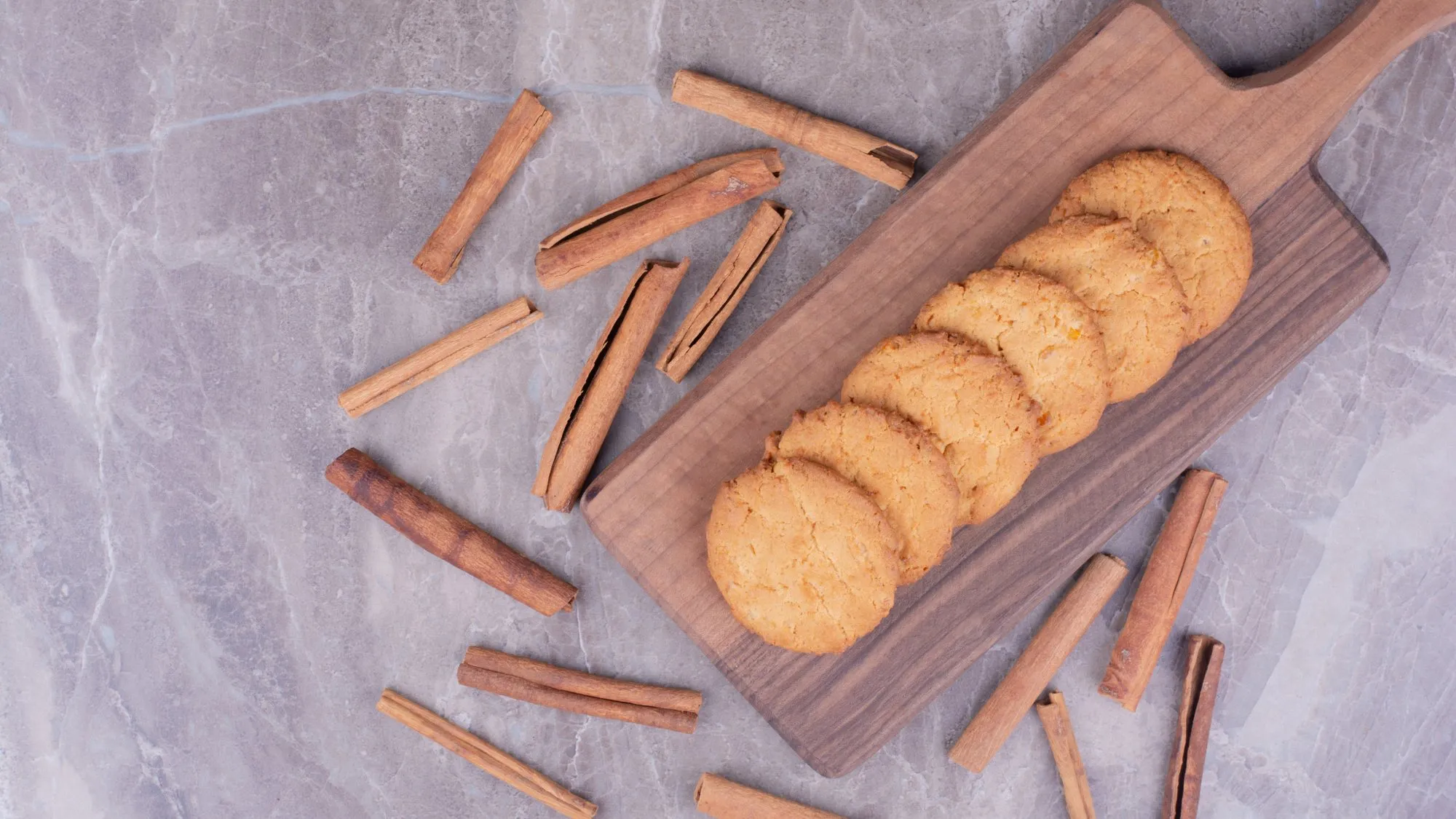
A snickerdoodle is a soft sugar cookie rolled in cinnamon sugar before it goes in the oven. The dough is buttery and slightly tangy, and the cinnamon-sugar coating bakes into a crackled, crinkly top. This version gives you tender centers, lightly crisp edges and about 36 cookies from simple pantry ingredients.
Key takeaways
- Cream of tartar plus baking soda is what makes a snickerdoodle: it adds a gentle tang and a soft, slightly chewy crumb.
- Bake at 375°F for 9 to 11 minutes and pull the cookies while the centers still look soft. They finish setting on the hot pan.
- Measure the flour by weight (330 g) or spoon it into the cup and level it. Too much flour makes dry cookies.
- Uncoated dough balls freeze well, so you can bake a few at a time.
Why this recipe works
Most classic snickerdoodle recipes share the same backbone: about 1 cup of butter, 1 1/2 cups of sugar, 2 eggs and 2 3/4 to 3 cups of flour, with 2 teaspoons of cream of tartar and 1 teaspoon of baking soda. The ratios here follow that pattern, which is why the dough is soft but still holds a round shape when you roll it.
Cream of tartar is an acid. Paired with baking soda, it gives the cookies lift and a faint tang that sets them apart from a plain cinnamon sugar cookie. A short bake at a moderate temperature keeps the middles tender instead of drying them out.
Ingredient notes
Butter. Use unsalted butter that is soft enough to leave a dent when pressed, but still cool. Butter that is greasy or melted makes cookies spread thin.
Flour. Plain all-purpose flour works best. If you measure by cup, spoon the flour into the measuring cup and level it off rather than scooping straight from the bag, which packs in extra.
Cream of tartar. It is sold in the spice aisle. Check that yours isn’t clumpy or very old before you measure.
Eggs. Room-temperature eggs blend into the butter more evenly than cold ones. Place cold eggs in a bowl of warm tap water for 5 minutes if you forgot to set them out.
Cinnamon sugar. One tablespoon of cinnamon to 1/4 cup of sugar gives a clearly spiced coating. Use 2 teaspoons of cinnamon for a milder one.
Tips for the best texture
- Cream the butter and sugar fully, 2 to 3 minutes, until the mixture looks pale. This builds the soft, tender crumb.
- Stop mixing when the flour disappears. Overmixing makes cookies tougher.
- Roll the balls evenly, about 1 1/2 tablespoons each, so every cookie bakes at the same pace.
- Don’t flatten the balls if you want thick, puffy cookies. Press them gently with the bottom of a glass if you prefer a flatter cookie with crisper edges.
- Use a cool baking sheet for every batch. Dough placed on a hot pan melts and spreads before it can set.
- Pull them early. The edges should be set and the tops crackled while the centers still look slightly underdone. Resting on the pan for 5 minutes finishes them.
- Chill the dough for 30 minutes if your kitchen is warm or the dough feels very soft. It isn’t required in a typical kitchen.
Don’t sample the raw dough. Flour that hasn’t been baked can carry germs, and so can raw eggs. The CDC advises against eating raw dough or batter. If you want a spoonful, make our edible cookie dough instead.
Variations and substitutions
No cream of tartar. Replace the 2 teaspoons of cream of tartar and 1 teaspoon of baking soda with 2 teaspoons of baking powder. The cookies will bake and rise, but they’ll taste more like a cinnamon sugar cookie than a true snickerdoodle.
Warmer spice. Stir 1/2 teaspoon of ground nutmeg into the cinnamon-sugar coating.
Orange zest. Beat 1 teaspoon of finely grated orange zest into the butter and sugar for a brighter flavor.
Frosted cookies. Let the cookies cool completely, then spread a thin layer of cream cheese frosting on top or sandwich two cookies together with it. Frosted cookies need to be kept in the refrigerator.
Smaller cookies. Use 1 tablespoon of dough per cookie and bake for 8 to 10 minutes. You’ll get about 55 cookies.
Storing, freezing and reheating
Room temperature. Once the cookies are completely cool, store them in an airtight container for up to 4 days. Put parchment paper between layers so the cinnamon-sugar coating doesn’t rub off.
Freezing baked cookies. Freeze cooled cookies in a single layer until firm, then transfer them to a freezer-safe container for up to 3 months. Thaw at room temperature.
Freezing dough. Roll the dough into balls and freeze them on a tray until solid, then bag them. Freeze them without the cinnamon-sugar coating for up to 3 months. When you’re ready to bake, let the balls sit at room temperature for about 30 minutes, roll them in the coating, and bake as directed, adding a minute or two if needed.
Reheating. Microwave a cookie for 8 to 10 seconds to soften it, or warm a few on a baking sheet in a 300°F oven for 3 to 5 minutes.
Frequently asked questions
What is the secret ingredient in snickerdoodles?
Cream of tartar. It adds the faint tang and soft texture that distinguishes a snickerdoodle from a sugar cookie.
Why did my snickerdoodles spread too much?
The most common causes are butter that was too soft or melted, a warm baking sheet, or too little flour. Chill the dough for 30 minutes, use a cool pan, and measure the flour carefully.
Why are my snickerdoodles dry or crumbly?
Too much flour or too long in the oven. Weigh the flour if you can and take the cookies out while the centers still look soft.
Can I make the dough ahead?
Yes. Cover the dough and refrigerate it for up to 3 days, then let it soften slightly before rolling. You can also freeze the dough balls for up to 3 months.
Do snickerdoodles need to be chilled?
Not in most kitchens. The dough in this recipe is soft but rolls easily. If it feels sticky or your kitchen is warm, chill it for 30 minutes.
Can I use salted butter?
You can. Reduce the added salt to 1/4 teaspoon, since salted butter already contains some.
Recipe
Soft and chewy snickerdoodles
- Prep
- 20 min
- Cook
- 40 min
- Total
- 1 hr
- Makes
- About 36 cookies
Ingredients
For the cookies
- 2 3/4 cups (330 g) all-purpose flour
- 2 teaspoons cream of tartar
- 1 teaspoon baking soda
- 1/2 teaspoon fine salt
- 1 cup (227 g, 2 sticks) unsalted butter, softened
- 1 1/2 cups (300 g) granulated sugar
- 2 large eggs, at room temperature
- 2 teaspoons vanilla extract
For the cinnamon-sugar coating
- 1/4 cup (50 g) granulated sugar
- 1 tablespoon ground cinnamon
Method
- 1 Heat the oven to 375°F (190°C). Line two baking sheets with parchment paper.
- 2 Whisk the flour, cream of tartar, baking soda and salt together in a medium bowl.
- 3 In a large bowl, beat the softened butter and 1 1/2 cups sugar for 2 to 3 minutes, until pale and creamy. Beat in the eggs one at a time, then the vanilla.
- 4 Add the flour mixture in two additions, mixing on low speed just until no dry streaks remain. The dough will be soft and slightly sticky.
- 5 Stir the 1/4 cup sugar and the cinnamon together in a small bowl.
- 6 Scoop the dough into 1 1/2-tablespoon portions and roll each one into a smooth ball. Roll each ball in the cinnamon sugar until fully coated.
- 7 Place the balls about 2 inches (5 cm) apart on the lined baking sheets.
- 8 Bake one sheet at a time for 9 to 11 minutes, until the edges are set and the tops are puffed and crackled. The centers should still look slightly soft.
- 9 Let the cookies rest on the hot baking sheet for 5 minutes, then move them to a wire rack to cool completely. Repeat with the remaining dough, using a cooled baking sheet each time.
Notes
- The cookies bake in about four batches of 10 minutes each, so the cook time is about 40 minutes in total.
- Keeps in an airtight container at room temperature for up to 4 days.
- Freeze uncoated dough balls for up to 3 months, or baked cookies for up to 3 months.